ABOUT GRAPHIC AND GRAFFITI
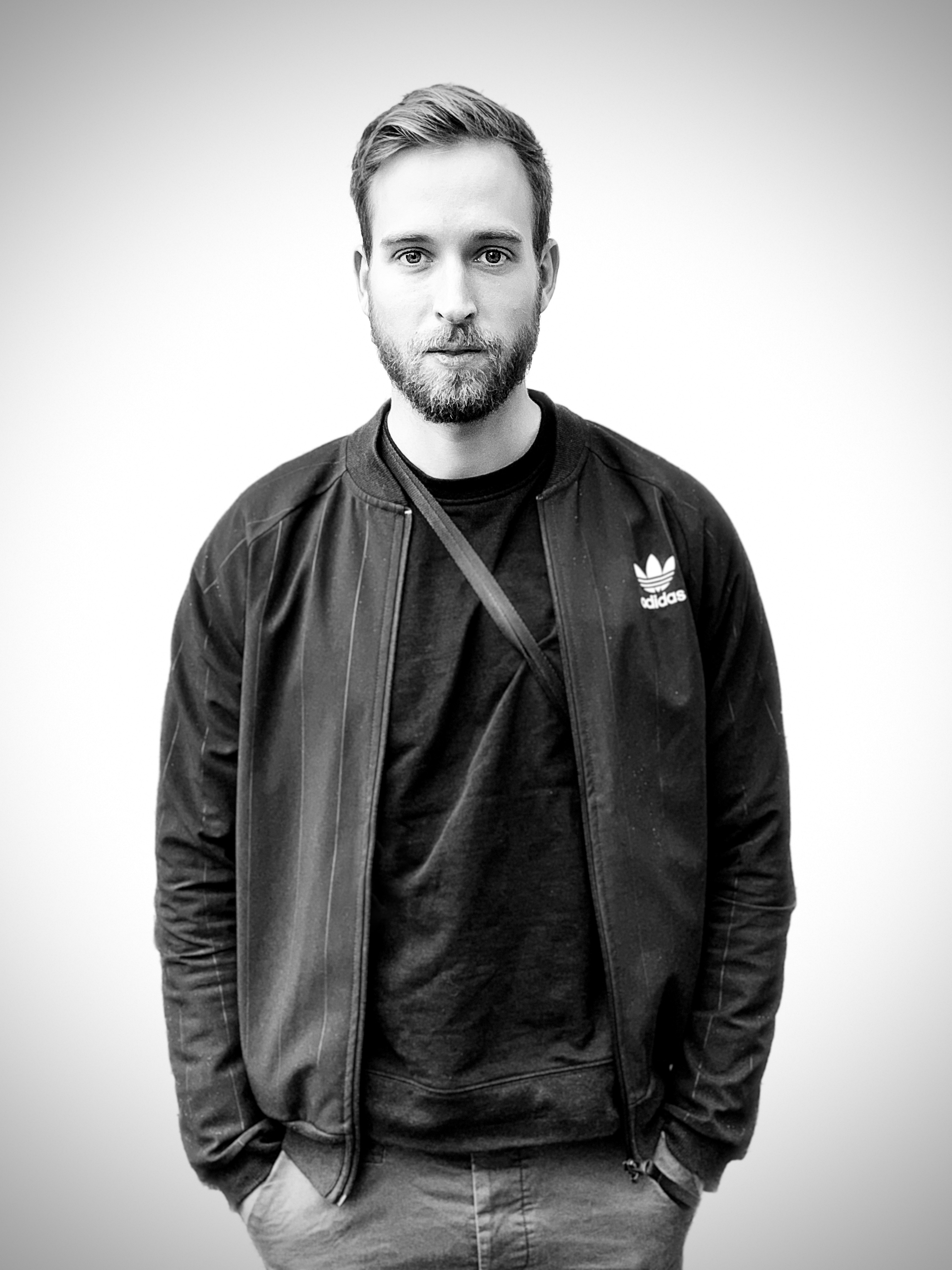
Kai Imhof, also known as “Raws” (born in 1990 in Königs Wusterhausen) is a contemporary artist based in Berlin with his roots in the urbanart culture. After graduating from Emmy Noether School in Berlin-Köpenick, Imhof studied graphic design at the Best Sabel Design School, graduating with honours for the best final thesis in 2015. Since then, he has been working as an independend artist.
His artistic practice began in 2004 with his first works as a graffiti writer in the streets of Berlin. So-called tags and bombings in public spaces repeatedly brought Kai “Raws” Imhof into conflict with the law. From around 2008 onwards, he shifted his focus to the design and creative potential of graffiti and developed a style characterised by colourful and detailed compositions. With this artistic signature, he gained recognition in the international graffiti and street art scene over the years. Later, during his design studies, Kai “Raws” Imhof began to study art history in depth. Artistic movements such as the Bauhaus and the Blauer Reiter, as well as the work of Wassily Kandinsky, Gerhard Richter and Pablo Picasso, inspired him to critically reflect on his own artistic approach. These influences continue to shape his work today, which combines graphic clarity, strong colour palettes and compositional precision with social issues.
Imhofs artworks have been featured in numerous exhibitions to date, including the highly recognised group show The Haus – Berlin Art Bang in 2017. This was followed in 2019 by his first major solo exhibition at the Urban Spree Gallery in Berlin. Over the years, further solo exhibitions followed in Leipzig or Paris, as well as participation in art fairs such as Art Miami in the US, the Salon d’international d’art in Paris or the MISA organised by well-known König Gallery in Berlin. Further international exhibitions took Kai “Raws” Imhof from France or the Netherlands to USA or Ireland, and on to Indonesia and China. His practice continues to develop the relationship between typography, abstraction and contemporary visual culture, questioning where a sign ends, where an image begins, and how context changes the way we perceive both.